A Guide to Implementing Effective Mental Health First Aid Training


Understanding Mental Health First Aid
Mental Health First Aid (MHFA) is a crucial training program designed to equip individuals with the skills needed to support someone experiencing a mental health crisis. By learning how to recognize signs and provide initial help, participants can make a significant difference in the lives of those around them.
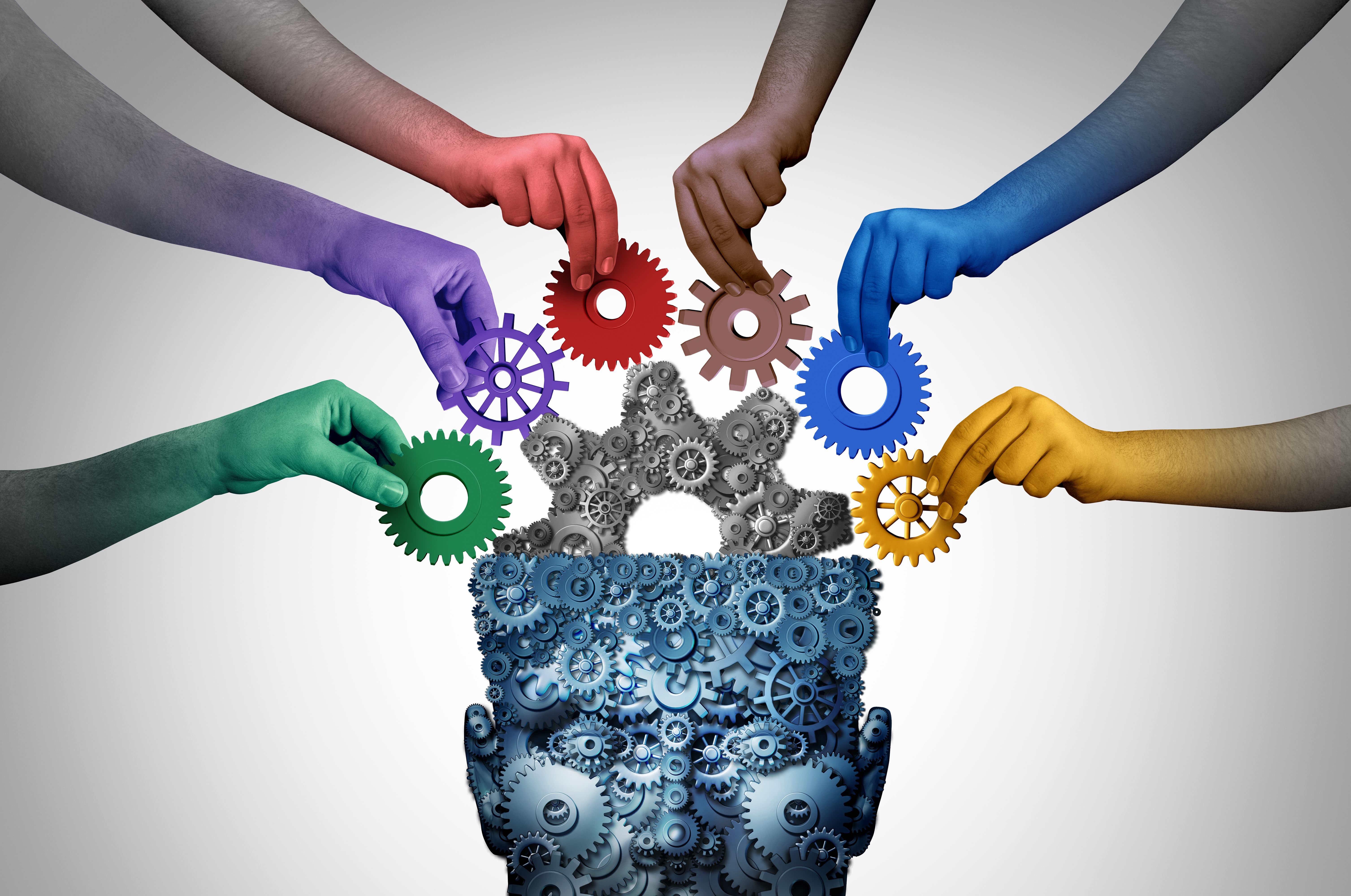
The Importance of MHFA Training
Implementing effective MHFA training is essential for creating a supportive environment. It not only helps in reducing stigma but also empowers people to take action when needed. This training is not just for professionals; anyone can benefit from understanding mental health better.
With mental health issues on the rise, having trained individuals who can offer support and guidance is invaluable. MHFA training can be a vital component in promoting mental wellness and resilience in communities and workplaces.
Steps to Implement Effective Training
Identify Your Needs
Before implementing MHFA training, it's important to assess the specific needs of your organization or community. Consider factors such as the size of your group, the prevalent mental health issues, and the available resources.
- Conduct a needs assessment to understand specific requirements.
- Identify key individuals who will benefit most from the training.
- Set clear objectives for what you hope to achieve with the training.

Select a Qualified Provider
Choosing the right training provider is crucial. Look for organizations or trainers with a proven track record in delivering MHFA training. Ensure they have the necessary credentials and can tailor their program to fit your needs.
Ask for testimonials or case studies to gauge the effectiveness of their training. A qualified provider will offer comprehensive resources and ongoing support to ensure successful implementation.
Creating a Supportive Environment
Encourage Open Communication
Once training is implemented, fostering an open and supportive environment is key. Encourage participants to share their experiences and insights. This can lead to a more understanding and empathetic community.

Regular check-ins and discussions can help maintain momentum and ensure that skills learned during training are put into practice. Creating a safe space for dialogue is essential for continued growth and support.
Evaluate and Improve
After the initial training, it's important to evaluate its effectiveness. Gather feedback from participants and identify areas for improvement. This will help in refining the program and ensuring it meets the evolving needs of your group.
- Conduct surveys to gather participant feedback.
- Review the outcomes against your initial objectives.
- Make necessary adjustments to enhance the training experience.
By continuously improving your MHFA training program, you can ensure that it remains relevant and impactful, providing lasting benefits to all involved.